Paper flowers
Look at the paper type, cutting and shaping steps, and whether templates or prepared petals are supplied. Check how the flower is attached to its stem or base.
CHINA, BY HAND / MAKING
Start with what you would love to keep: a flower to display, a small accessory to wear, or a piece to give. Then choose a project whose materials and instructions make the first steps clear.
Start with what matters to you ↓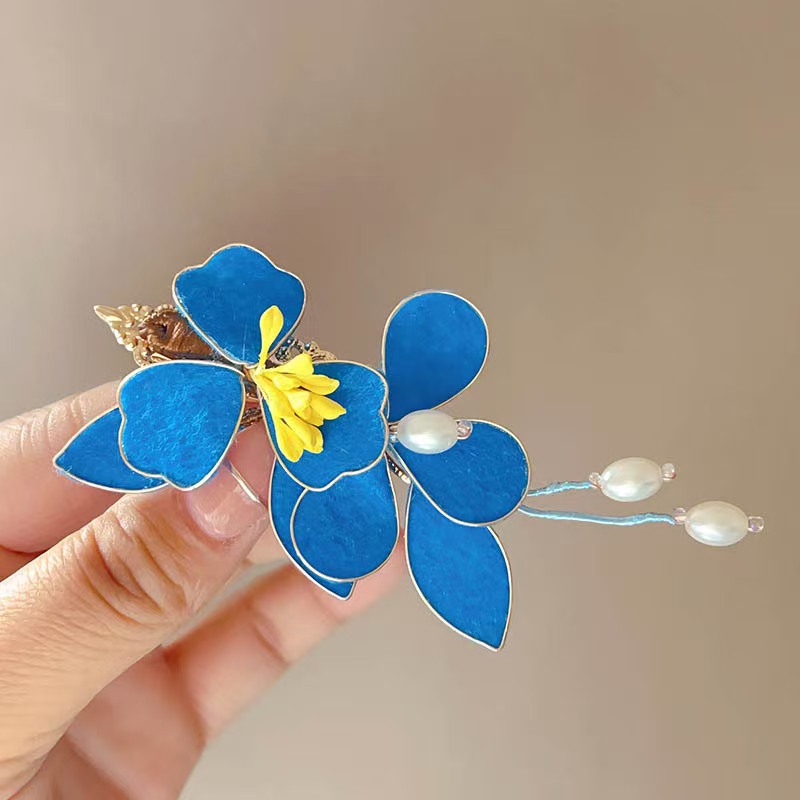
CHOOSE THE OBJECT
A single wearable flower, a small stem and a full arrangement ask different things of the maker. Begin with one clear outcome rather than a box of materials with no project in mind.
A floral brooch, clip or comb turns a small composition into something personal. Check the fastening and finished size as carefully as the petals.
A stem or miniature arrangement needs a plan for balance, support and its place in the room. Ask whether the container is included.
Decide whether the recipient would enjoy making the flower or receiving it finished. A kit is a gift of an activity as well as an object.
LOOK AT THE MATERIAL
The word “flower” does not tell you which skills a kit will need. These are useful questions to ask, rather than a ranking of which craft is easiest.
Look at the paper type, cutting and shaping steps, and whether templates or prepared petals are supplied. Check how the flower is attached to its stem or base.
Ask whether you are working with cut fabric, prepared petals or thread wrapped around a form. Find out which shaping and assembly tools are needed; these are not interchangeable methods.
Ronghua is a Chinese craft using silk fibres and fine wire. Ask how much fibre preparation has already been done. Shaping and assembling prepared elements is a different starting point from preparing everything yourself.
Read the craft story →Look at these reference pieces for ideas of scale and composition. Their exact materials and construction still need confirmation; they are not a catalogue of available kits.
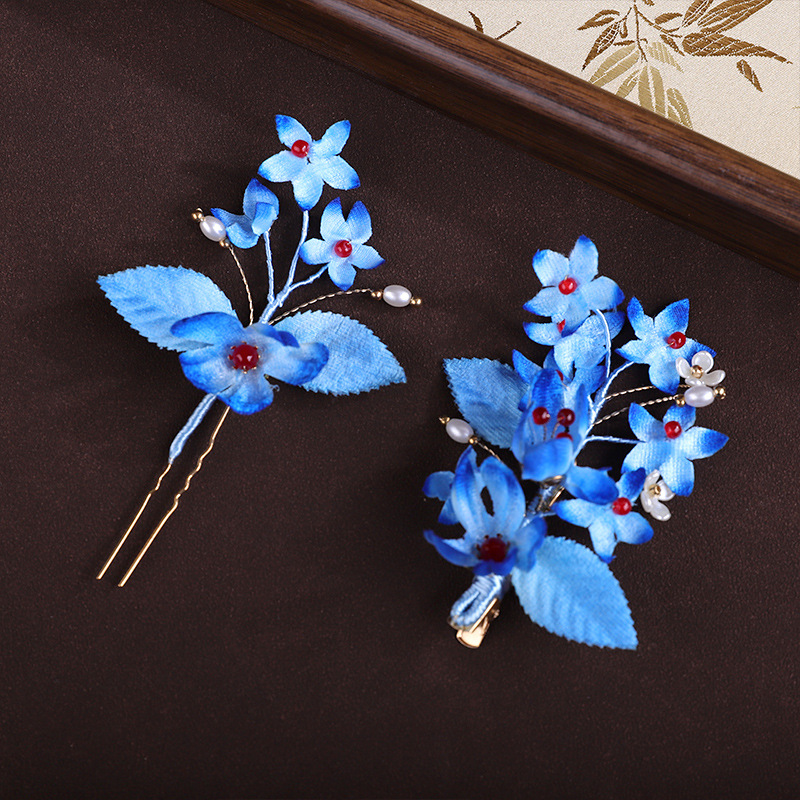
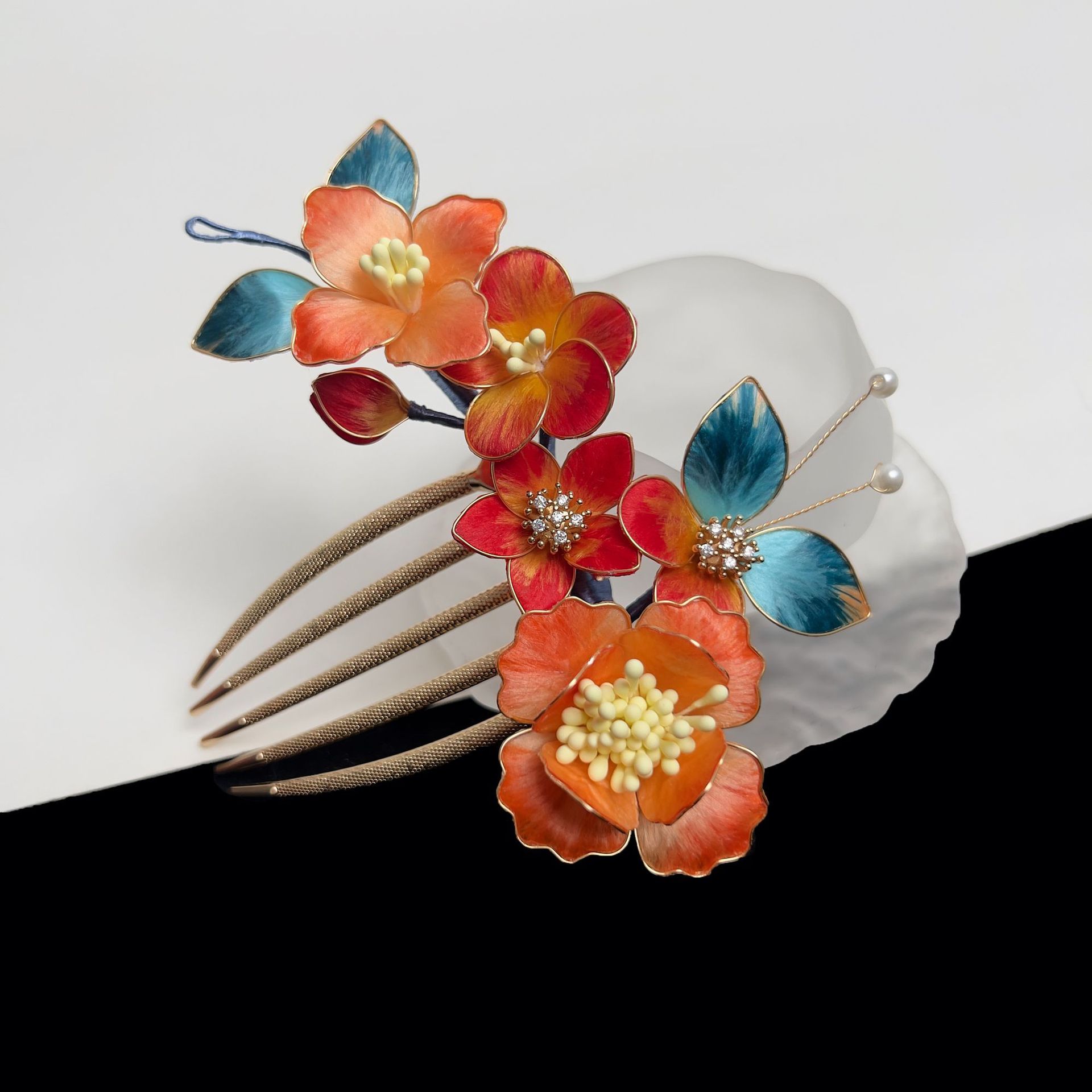
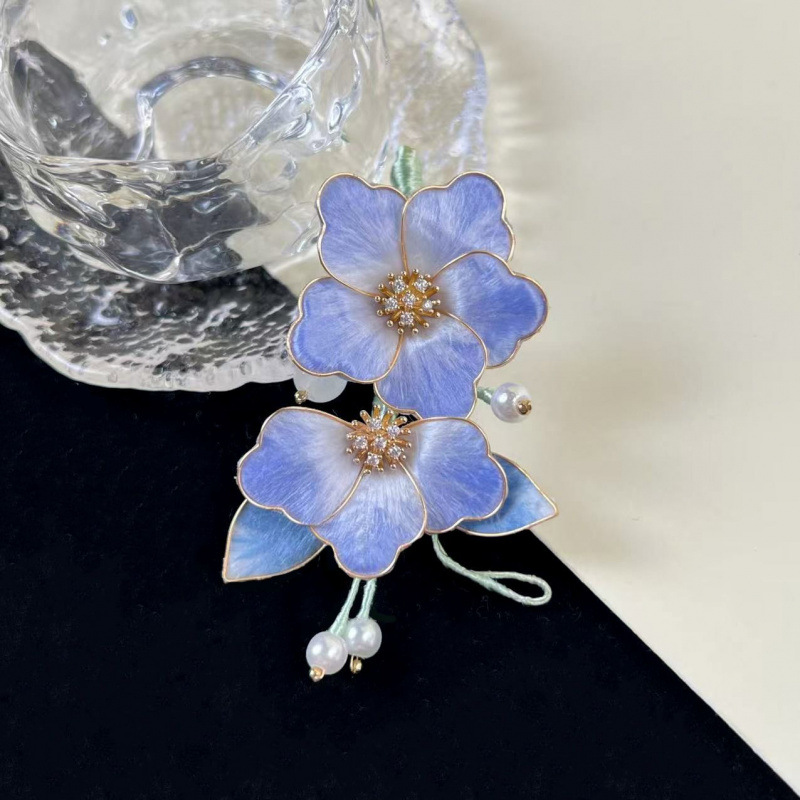
BEFORE CHOOSING A KIT
For a beginner, clarity matters: know what comes in the box, what has been prepared, and what you will still do yourself. “Beginner” alone does not answer those questions.
A FIRST EXPLORATION
Watch our one-minute introduction to ronghua, then explore its history and the sample photographs. The film introduces the craft; it is not a step-by-step lesson.
Want a different activity you can try now? Our free paper-weaving exercise has measurements and a printable diagram. It is a separate paper craft, not a flower-making lesson.
IN DEVELOPMENT / ENQUIRIES WELCOME
Our finished pieces, DIY kits and six recorded instructor-led lessons are in development and are not currently available for purchase. Photographs are sample references. Final designs, materials, prices, shipping and delivery will be confirmed before sales open. Enquiries do not take payment or reserve stock.
Continue to the private enquiry form. Your message does not subscribe you to a mailing list.
For the craft background, read the ronghua history and material references, and the Nanjing government report.
Prepared by the China, by Hand studio. Photographs are sample references whose materials and techniques remain to be confirmed. The selection advice is editorial guidance, not a measured completion-time or product-performance claim.